


Essential Checklist: Identifying Large Pore Causes
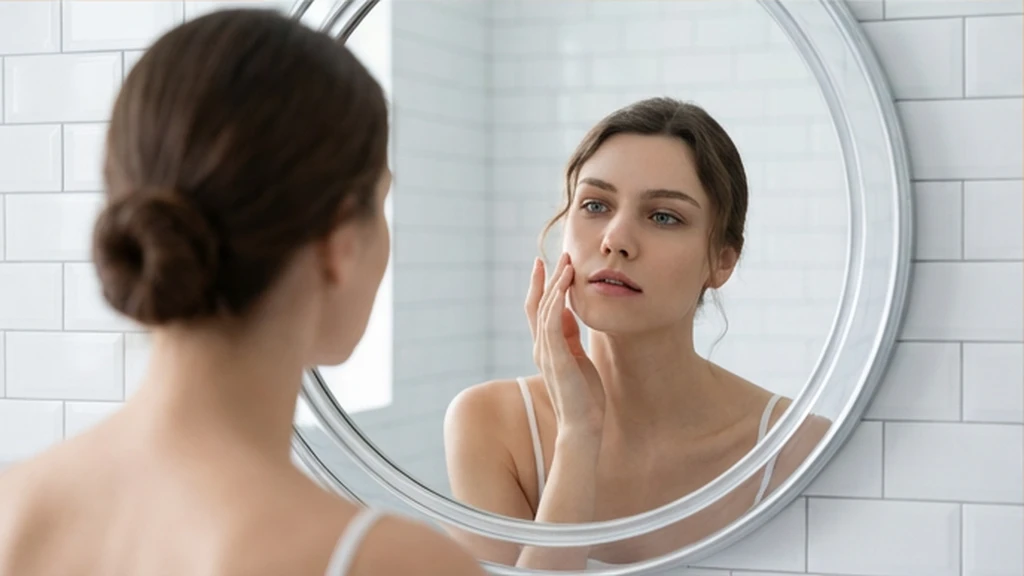
Large pores can feel like an unwelcome surprise when you look in the mirror. One day your skin looks smooth, and the next, those tiny openings seem to have doubled in size. Understanding what causes large pore size is the first step toward managing them effectively. While you can't completely eliminate pores—they're essential for healthy skin function—you can learn to minimize their appearance and prevent them from getting worse. This comprehensive checklist will help you identify the root causes behind your enlarged pores and create an action plan for smoother-looking skin.
Pores are tiny openings in your skin that house hair follicles and sebaceous glands. These small structures serve a vital purpose: they allow your skin to breathe and release natural oils that keep your skin moisturized and protected. Normal pores are barely visible to the naked eye, while enlarged pores appear as small craters or indentations on your skin's surface. The size of your skin pores depends on several factors, including genetics, oil production, and skin health. When pores become clogged or lose their structural support, they appear larger and more noticeable. This creates an uneven skin texture that many people find concerning. Contrary to popular belief, pores don't actually open and close like doors. They also can't be permanently shrunk to nothing. However, you can make them appear smaller through proper skincare and lifestyle choices. The key is understanding what makes them look bigger in the first place.
Several factors contribute to the appearance of large pores. Identifying which ones affect your skin helps you choose the most effective treatment approach. The main culprits behind enlarged pores include genetics, excess oil production, clogged debris, and natural aging processes. Genetics plays the biggest role in determining your natural pore size. If your parents have large pores, you're more likely to have them too. Your genetic makeup influences your skin type, oil production levels, and how your skin ages over time.
When your sebaceous glands produce too much oil, it can stretch your pore openings. This excess sebum mixes with dead skin cells and creates a thick mixture that pushes against pore walls. Over time, this constant pressure makes pores appear larger and more visible. Hormonal changes during puberty, menstruation, and pregnancy can trigger increased oil production. This explains why many people notice their pores becoming more prominent during these times.
Daily exposure to dirt, pollution, and makeup can clog your pores with debris. When pores become blocked, they stretch to accommodate the buildup. This stretching effect makes them appear larger, even after the blockage is removed. Using comedogenic skincare products can worsen this problem. These products contain ingredients that are more likely to clog pores and contribute to their enlarged appearance.
As you age, your skin loses collagen and elastin—the proteins that keep it firm and elastic. Without adequate structural support, pores begin to sag and appear larger. This process typically becomes noticeable in your thirties and continues throughout life. Sun damage accelerates this aging process by breaking down collagen fibers more quickly. This is why people with significant sun exposure often have more prominent pores.
Sometimes pores seem to enlarge suddenly, leaving you wondering what happened. Several factors can cause rapid changes in pore appearance. Hormonal fluctuations are often the primary culprit behind sudden pore enlargement. During puberty, menstrual cycles, or pregnancy, hormone levels shift dramatically. These changes can increase oil production almost overnight, making pores appear larger within days. Stress can also trigger hormonal imbalances that affect your skin. New skincare products sometimes cause unexpected reactions. If you've recently started using a new cleanser, moisturizer, or treatment, it might be clogging your pores or irritating your skin. Environmental changes, such as moving to a more humid climate or increased pollution exposure, can also affect pore appearance quickly.
Pores don't appear uniformly across your face. The T-zone (forehead, nose, and chin) typically has the largest and most noticeable pores because this area produces the most oil. Your cheeks may also develop prominent pores, especially if you have oily or combination skin. Sun damage plays a significant role in pore enlargement, particularly on areas that receive the most UV exposure. Your nose, forehead, and cheeks are most vulnerable to sun-related pore damage. UV rays break down collagen and elastin, causing pores to lose their structural support and appear larger.
Your facial structure influences how pores appear. Areas with thicker skin, like your nose, naturally have larger pores. Thinner skin areas, such as around your eyes, typically have smaller, less noticeable pores. The angle of light and shadows on your face can also make pores appear more or less prominent. This is why pores often look worse in harsh bathroom lighting compared to soft, natural light.
Dark spots and uneven skin tone can make pores appear larger than they actually are. When hyperpigmentation pores develop around pore openings, they create shadows that emphasize the pore's depth and size. This optical illusion makes your skin texture appear rougher and more uneven. Post-inflammatory hyperpigmentation often occurs after acne breakouts or skin irritation. These dark marks can linger around pore openings for months, making them appear more prominent even after the original issue has healed. Treating both the pore size and the surrounding hyperpigmentation together often produces better visual results than addressing either issue alone.
While you can't completely eliminate pores, several proven strategies can help minimize their appearance. The key is consistency and using the right combination of treatments for your specific skin type and concerns. Daily cleansing removes oil, dirt, and makeup that can clog pores and make them appear larger. Use a gentle, non-comedogenic cleanser twice daily to keep pores clear without over-drying your skin.
Retinol and retinoids are among the most effective ingredients for pore reduction. These vitamin A derivatives increase cell turnover, helping to keep pores clear and stimulating collagen production. Start with a low concentration and gradually increase as your skin adjusts. Salicylic acid, a beta-hydroxy acid, can penetrate into pores and dissolve oil and debris. This makes it particularly effective for people with oily skin and clogged pores.
Dermatologists offer several professional treatments for enlarged pores. Chemical peels, microneedling, and laser treatments can improve skin texture and reduce pore appearance. These treatments work by stimulating collagen production and removing damaged skin cells. Consult with a dermatologist to determine which professional treatments might be appropriate for your skin type and concerns.
Pores cannot be permanently eliminated, but their appearance can be significantly minimized with consistent skincare and professional treatments. The key is maintaining a routine that keeps pores clear and supports skin structure.
No specific vitamin deficiency directly causes large pores. However, overall skin health benefits from adequate nutrition, including vitamins A, C, and E, which support collagen production and skin repair.
Pore strips provide temporary removal of surface debris but don't address the underlying causes of enlarged pores. They may also irritate sensitive skin and aren't recommended for long-term pore management.
With consistent skincare, you may notice some improvement in 4-6 weeks. More significant changes typically take 3-6 months of regular treatment.
Understanding what causes large pore size empowers you to make informed decisions about your skincare routine. Remember that genetics plays the largest role, but factors like oil production, clogging, and aging also contribute significantly. Focus on keeping pores clear, protecting your skin from sun damage, and using proven ingredients like retinol and salicylic acid. While you can't change your genetics, consistent care can help minimize pore appearance and improve your overall skin texture. Be patient with the process—meaningful improvements take time, but the results are worth the effort.
